What To Know About Fuel Tank Identification Tags and Labels
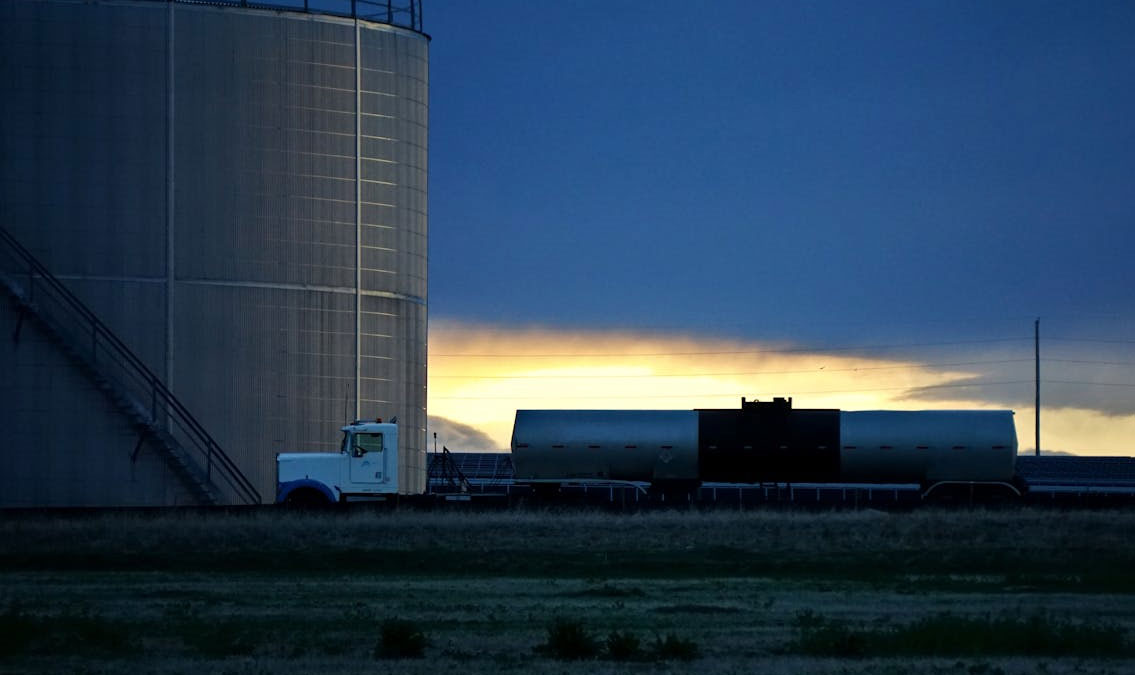


Fuel tanks keep industrial fleets, manufacturers, and transportation businesses running. However, they’re prone to misuse and accidents, which is why it’s so crucial for fuel tank manufacturers to share crucial information on every fuel tank.
Fuel tank identification tags and labels might seem like a small detail, but they play a huge role in safety, compliance, and maintenance. Not only do they prevent misfueling but they also ensure proper handling and keep businesses in line with regulatory standards.
However, original equipment manufacturers (OEMs) must choose durable, compliant fuel tank labels that withstand even the harshest environments. In this guide, we’ll explore why fuel tank labels matter, how to read them, and best practices for labeling.
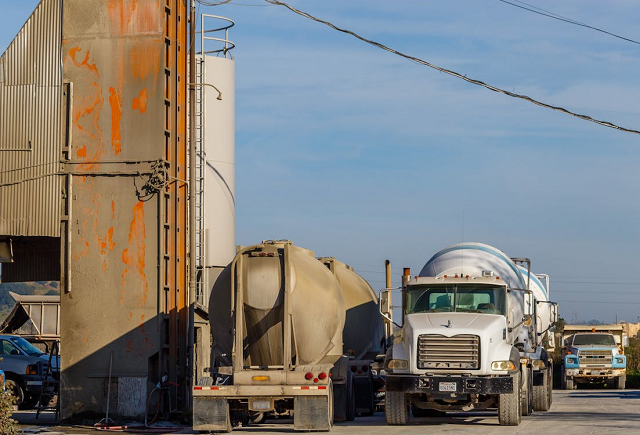
Photo by Robert So from Pexels
The primary purpose of a fuel tank identification tag is to prevent accidents. Properly labeled tanks keep employees safe by sharing proper handling instructions, which can significantly reduce the risk of misfueling or spills. However, there are plenty of other benefits of durable fuel tank identification tags, including:
Fuel tank identifiers will differ based on the tank’s contents, but at a minimum, they should tell users about the tank’s contents and safety guidelines. Most fuel tank ID tags include:

Fuel tank identification tags and labels are legally required, but there are still a few ways manufacturers can optimize their use of these labels.
Fuel tanks operate in harsh environments, so choose labels rated for extreme temperatures, chemicals, and UV exposure. While they may be more affordable, avoid paper or low-quality plastic labels that deteriorate over time. Instead, choose options like Metalphoto® photosensitive anodized aluminum tags, which offer superior durability and resistance to fading, corrosion, and abrasion, making them ideal for long-term fuel tank identification.
Labels should be easily readable from a distance with bold, high-contrast lettering. Most regulations offer guidelines for this, but they still offer some leeway in creative design. Work with an experienced label manufacturer like Metalphoto of Cincinnati to design compliant fuel tank labels and tags that are easy to read and durable enough to remain readable throughout a fuel tank’s lifespan.
At this stage, it’s good to consider upgrading your equipment tracking system. Adding scannable barcodes or QR codes to your fuel tank identification labels and tags supports real-time tracking and updates. If you’re an OEM, consider leaving a blank space where customers can add their own barcodes after purchase.
Durable identification labels are a must for any piece of equipment, but they can make a big difference in fuel tank operation and safety. Follow the best practices in this guide to design durable, on-brand fuel tank labels and tags that protect both employees and your reputation.
Investing in the right labeling solutions not only protects assets and personnel but also strengthens your reputation in the market. Get fuel tank labels and tags that stand the test of time: Request a free MPC label and tag evaluation kit today.
Fuel tank identification tags and equipment ID labels are crucial for safety, regulatory compliance, and operational efficiency. They help prevent misfueling, ensure proper handling, and provide essential information for maintenance and inspections.
For long-lasting durability, Metalphoto® aluminum tags are the best choice. They resist corrosion, chemicals, UV exposure, and abrasion, making them ideal for harsh environments.
All labels and tags differ by use case, but most fuel tank identification tags should include:
Our sales engineers are experts in automatic asset tracking, tagging and identification,a nd can answer all your questions. Get in touch now.
Lets Talk ›Enter your information and get a free guide that will give you a detailed overview of metal labeling, its advantages over alternative label materials, and all the best practices for using metal labels in your own business or organization.