What to Know about Centrifugal Pump Nameplates: Purpose, How to Read, and Key Specifications

If you’ve looked at a centrifugal pump, you may have noticed a metal plate attached to the outside. This is the metal equipment nameplate, which gives you important details about how the pump should be used and how it works. Knowing how to read this information helps you choose the right pump and avoid costly problems, like ordering the wrong replacement parts or conducting improper maintenance.
Pump nameplates show key details like model numbers, flow rates, pressure limits, and more. If you ever need to replace or fix a pump, this information saves you time and helps prevent mistakes. Learn why a centrifugal pump nameplate is so important to proper pump usage, as well as the basics of how to read one.

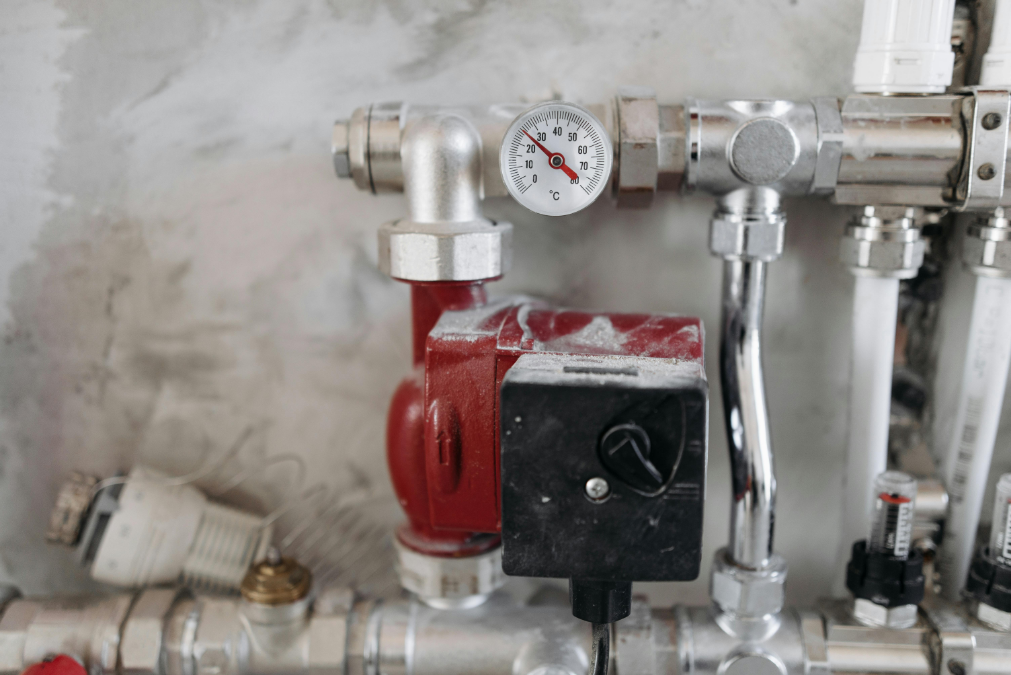
Photo by Kateryna Babaieva from Pexels
Centrifugal pump nameplates provide you with key information necessary for safe and efficient pump operation. They help ensure the right pump is chosen, installed, and maintained in good working order, although nameplates also offer a range of other benefits.
A pump nameplate shares vital details such as pump model, flow rate, head, speed, and power requirements. This lets you quickly match a pump to the specific needs of your system.
Factories and plants often have many pumps working simultaneously. The machine nameplate makes it possible to select the correct one for your process by checking important values like:
| Field | Typical Value |
| Flow Rate | 200 GPM |
| Max Head | 50 ft |
| Power | 7.5 HP |
| Speed | 1750 RPM |
| Model Number | XX123 |
Without the correct nameplate data, you may install the wrong pump, resulting in poor performance or even damage. Reading and understanding this information saves time and keeps your plant running efficiently.
Nameplates are required to meet national and international engineering standards, such as those established by the American National Standards Institute (ANSI) or the International Organization for Standardization (ISO).
Using a nameplate guarantees that your pump complies with these rules. This keeps your facility legal and safe, helping avoid fines or problems with inspections.
In addition to ANSI and ISO, nameplates may also reference other standards such as:
These standards ensure your team installs and uses pumps properly. They also help inspectors confirm that your equipment matches the required guidelines on site.
Accurate, easy-to-read nameplates speed up maintenance and reduce downtime. When your pump needs repairs or isn’t running properly, the nameplate provides your team with critical details to identify the problem and make the necessary fixes.
For example, the serial number and model tell you exactly which parts to order. But without this information, your team may order and install the wrong parts, leading to higher costs and potential errors.
In fact, if you call a technician, they will often start by asking for the data on the nameplate. This avoids mistakes and delays when getting service, as the right manuals and replacement parts can be used.
During routine checks or emergency breakdowns, you can compare existing performance to the nameplate’s baseline specifications. This helps identify problems and determine whether service or a replacement is needed.
A centrifugal pump nameplate displays key details that help you identify the pump, check its capabilities, and make sure it suits your needs. It provides information about the specific pump model, its performance, and materials.
The model number is a code or combination of letters and numbers that identifies the type of pump you have. It usually shows the pump’s size, series, and sometimes the impeller type. You can use this number to find technical documents or order replacement parts.
The serial number, on the other hand, is unique to your specific pump. It helps manufacturers track the product for warranty and service. It also helps you verify the pump’s production date and history if you need support.
Most nameplates have both numbers printed or engraved on them. Always write down or photograph these numbers in case the nameplate wears out or is damaged. Alternatively, opting for higher-quality nameplates from a provider like Metalphoto of Cincinnati will also ensure long-term readability.
Performance data is important for safe and efficient pump use. This part of the centrifugal pump nameplate usually includes:
Some nameplates also display the required motor power or voltage, which helps ensure the pump is not overloaded and operates efficiently with your system.
Performance numbers are usually based on tests. Always match the listed data with your system needs before running the pump.
The centrifugal pump nameplate often lists the materials used in key parts of the pump, such as the casing and impeller. Common materials include cast iron, stainless steel, or specialty alloys.
It’s essential to know each pump’s materials, which can impact the liquids you plan to move. For example, stainless steel is better suited for chemicals, while cast iron may be more suitable for clean water.
The material codes or words may use abbreviations. Refer to the pump manual or the manufacturer’s website if you need details on what these codes mean. If the nameplate is unclear, always confirm the parts’ materials before using the pump with harsh or unknown fluids.
A centrifugal pump’s nameplate lists important technical details that indicate how the pump performs and how it should be used. You can find vital information like model numbers, flow rate, power, and speed on this metal plate.
Most pump nameplates have several fields with stamped or engraved numbers and letters. The main pieces of information you should look for include the manufacturer, model or serial number, and the pump’s material of construction.
Common fields are often labeled clearly:
Reading these details helps with choosing replacement parts and explaining issues to maintenance staff or manufacturers. For repairs, knowing the exact model and material makes it much easier to find the proper components.
Flow rate and head are crucial pieces of data on every centrifugal pump nameplate. Flow rate, listed in gallons per minute (GPM) or cubic meters per hour (m³/h), indicates the volume of liquid the pump can move.
The head is measured in feet or meters and shows how high the pump can move the liquid. These two numbers work together to help you determine if the pump will meet your needs. For example, a nameplate might show:
| Field | Example Value |
| Flow Rate | 200 GPM |
| Head | 90 ft |
Check both values to ensure the pump can move enough fluid to the correct height for your system.
The power rating tells you how much energy the pump uses. Typically, power is expressed in horsepower (HP) or kilowatts (kW). Nameplates typically indicate the input power required by the motor.
Some nameplates also display the pump’s efficiency as a percentage, indicating how efficiently the pump uses energy. For example:
A higher efficiency means the pump wastes less energy and has lower running costs. This data is useful when comparing different pumps or estimating your energy bill.
The speed of the pump is often shown as revolutions per minute (RPM). Standard speeds are 1750, 2950, or 3500 RPM. The pump’s impeller size, typically measured in inches or millimeters, affects both flow and pressure.
You might see:
| Field | Example Value |
| Speed (RPM) | 1750 |
| Impeller Size | 7.5 in |
Matching the impeller size and speed to your system ensures the pump can reach the needed performance. Adjusting the impeller diameter or the pump speed immediately changes the flow and pressure. Always verify these details before making changes or replacing parts.

Photo by ThisisEngineering from Unsplash
Every centrifugal pump nameplate must meet certain regulations so you get correct and useful data. Standards from groups like ANSI, ISO, and pump makers help make sure the information is reliable.
ANSI and ISO are two key organizations that establish standards for pump nameplates. Their guidelines outline the required information and its presentation format. Compliance with these standards is often required for use in industrial or regulated environments.
Centrifugal pump nameplates following these standards must include:
ANSI/HI 1.3 and ISO 5199 are examples of standards that cover nameplate data for centrifugal pumps. They help you quickly find critical specs and maintain safety at your site.
While ANSI and ISO are common standards, manufacturers can add details to the centrifugal pump nameplate beyond what standards require. Some may include data about materials of construction, impeller size, or serial numbers for tracking. They also may use special codes to help with ordering spare parts or troubleshooting.
Sometimes, a company’s pumps are designed for a specific industry, so the nameplate will include additional information, such as certifications for chemical handling or food safety. Customization helps you get pumps that work for your needs, but always check your manual to understand all codes and markings. When in doubt, contact the manufacturer for guidance.
Centrifugal pump nameplate management is key for clear equipment identification, maintenance, and compliance. If you overlook this, you could face equipment errors, safety risks, or regulatory issues. Follow these centrifugal pump nameplate best practices to avoid downtime, stay compliant, and streamline operations.
Nameplates can fade, scratch, corrode, or even peel off. These problems usually happen in areas with lots of moisture, chemicals, or sunlight. To prevent wear and damage, pick durable materials like stainless steel or anodized aluminum instead of plastic or thin metals. A reputable nameplate company like MPC can help you pick the best metal substrate for your nameplates, striking a balance between cost and durability.
Once you’ve chosen the proper nameplate material for your use case, make sure nameplates are attached firmly but not with adhesives that break down over time. Regularly inspect nameplates during routine maintenance and fix or replace any that are becoming hard to read.
Consider using protective covers or applying clear coats to nameplates if your pumps operate in harsh conditions. Keep a cleaning schedule using mild cleaners to avoid scratching the nameplate.
Pumps change over time. They sometimes receive motor upgrades or have new performance limits from the manufacturer. If you change your pump but leave the old details on a nameplate, someone might use the wrong settings or parts during repairs.
Create a checklist to follow any time there are upgrades or repairs. Always update the centrifugal pump nameplate with the new data, or clearly display a secondary tag with the most current information.
Use engraved or stamped tags instead of printed stickers, which can fade or peel off. Document every change, who made it, and when it happened. Store both new and old records as part of your maintenance logs in case of audits or troubleshooting.
Accurate nameplate information helps track pump performance, plan maintenance, and meet regulatory requirements. If your records don’t match the actual equipment, it can delay repairs and make inspections harder.
Keep a digital database or spreadsheet with all nameplate data. Link this data to asset management software that follows each pump from installation to retirement. Use unique asset numbers and photographs as backups in case a nameplate is damaged or lost.
Perform regular audits to compare physical nameplates with your records. When decommissioning or moving a pump, update your records right away. This keeps your asset management clear and avoids confusion later.
When you look at a centrifugal pump nameplate, you’re seeing key facts about how the pump should work. These details help you make good choices for setup and use.
If you miss or misunderstand this information, you could face problems like:
Knowing how to read a pump nameplate can help you keep your system running smoothly and safely. Avoid these problems by following the best practices in this guide.
To ensure your data stays readable for the life of your pump, go with durable, high-resolution centrifugal pump nameplates from MPC. We specialize in long-lasting, chemically etched nameplates designed to withstand the harshest environments. Give your team access to the information they need, when they need it: Request your free MPC label and tag evaluation kit today.
You should match the details on the nameplate with the pump’s application. Look at numbers like flow rate, head, motor speed, and voltage to see if the pump will work in your system.
The information helps you avoid using the pump outside of its limits, which could cause damage. Understanding the nameplate lets you order correct replacement parts and locate technical help when needed.
Most nameplates list the manufacturer, model number, and serial number. You will see data such as flow rate (GPM or L/min), head (feet or meters), speed (RPM), power rating (HP or kW), and voltage.
Other common details include frequency (Hz), maximum temperature, maximum pressure, and direction of rotation. Sometimes the nameplate will show the year of manufacture or certification marks.
First, wipe the nameplate clean so you can read every detail. Check each line one by one and write down the values for flow, head, speed, and power.
Next, compare these values with your system requirements. Always follow the limits printed on the nameplate to help the pump run safely and efficiently. If any information is unclear or missing, contact the manufacturer for help.
Our sales engineers are experts in automatic asset tracking, tagging and identification,a nd can answer all your questions. Get in touch now.
Lets Talk ›