What to Know About Submersible Pump Nameplates: Purpose, How to Read, and Important Specifications

If you own or work with a submersible pump, knowing how to read its nameplate can help keep your equipment running smoothly.
Submersible pump nameplates give you the most essential details about the pump’s power, size, and operating limits. This small metal tag is typically attached to the pump itself and can provide quick answers when you need them.
You may need the nameplate details to match a pump to a job, check safety requirements, or locate the correct replacement parts. Reading the nameplate is simple once you know what all the numbers and terms mean, helping you use and care for your pump properly.
Consult this guide to learn what submersible pump nameplates are and how to read them, as well as best practices for tracking pump information.
Submersible pump nameplates give you important details about the pump, like its power and limits. This small label is essential for correct use, maintenance, and safety. Knowing how to read and find this nameplate helps you choose the right pump for your needs and keep it working well.
A submersible pump nameplate is a plastic or a metal equipment label attached to the pump. It displays key data such as the manufacturer, model number, voltage, power (horsepower or kilowatts), flow rate, and maximum head. Some equipment nameplates also include serial numbers and the date of manufacture.
This information keeps you informed about the pump’s capabilities so you don’t exceed its limits. It’s essential for identifying the pump during installation, troubleshooting, repair, or part replacement. If you need customer support or spare parts, the details on the nameplate allow you to get the right help quickly.
Without the nameplate data, you risk using the wrong replacement parts, overloading the pump, or setting it up incorrectly. This can lead to breakdowns, unsafe conditions, or even voided warranties.
You can usually find pump nameplates secured on the outer body of the submersible pump. For larger pumps, the nameplate is typically attached near the top or on a flat, easily visible surface. For small or compact pumps, it might be on the side or even under a protective cover.
Visibility of the nameplate is important because you need to check it during setup, inspections, or service. Always check the nameplate before starting work on the pump. If it is missing or unreadable, you should contact the manufacturer or a pump specialist for help.
If the pump has been in service for a while, dirt or water deposits can hide the nameplate. Cleaning the surface gently lets you read the needed details, although low-quality nameplates may not survive the lifespan of the pump itself.
That’s why it’s so crucial to use high-quality nameplates from reputable providers, like Metalphoto of Cincinnati, to ensure your submersible pump nameplates remain legible and damage-free.
Some details on the nameplate follow industry standards. Organizations such as the National Electrical Manufacturers Association (NEMA) and the International Electrotechnical Commission (IEC) set guidelines about the content and appearance of submersible pump nameplates. This standardization makes it easier for you or technicians to compare different pumps and understand their specs.
Here is a common list of required nameplate fields:
Following standards helps ensure safety and maintain compliance with regulations. When you buy or service a pump, checking that the nameplate meets these rules proves you are using approved equipment. This reduces mistakes and keeps your operation running smoothly.
Submersible pump nameplates show the most important details you need to check before using the equipment. Paying attention to these numbers and words can help you choose, install, and maintain your pump correctly.
The model number tells you the type and design of the pump. This number can indicate the pump’s size, series, and sometimes its unique features. Manufacturers use the model number to group pumps that share the same specs, so multiple pumps will have the same model number.
However, the serial number is different for every pump. It helps track where and when the pump was made. If you need help from customer service, or if you need to order spare parts, this number is very important.
You will usually find both numbers together on submersible pump nameplates. Write them down or take a photo for your records in case the plate gets damaged. Having both numbers will make it quicker to find manuals and technical support.
The power rating, expressed in kilowatts (kW) or horsepower (HP), indicates the amount of energy the pump uses. Knowing this helps you pick a power supply or run the pump without overloading your system.
The voltage rating shows what electrical supply the pump needs. You might see ratings like “230V single-phase” or “460V three-phase.” If you use the wrong voltage, the pump could be damaged or fail right away.
Other details on the nameplate may include frequency (Hz) and current draw (amps). These numbers are useful for electricians during installation, but they can also be helpful when troubleshooting electrical problems later on.
The maximum head tells you how high the pump can raise water, measured in meters or feet. This helps you determine if the pump is suitable for your system or well depth. Using a pump above its rated head can quickly reduce performance.
The capacity rating, expressed as flow rate (liters per minute or gallons per minute), indicates the maximum amount of water the pump can move at optimal performance. Make sure this matches your needs for water use or irrigation.
While each number matters, it’s best to check both maximum head and capacity together. Check both numbers together. If your system needs a higher flow but at a lower lift, the pump may still be a good fit. Always match these ratings with your actual requirements.
Photo by CHUTTERSNAP from Unsplash
Submersible pump nameplates provide vital information to help you select, install, and maintain your pump. When you know how to read each part of the nameplate, you can avoid compatibility issues and help your pump work as it should.
A pump nameplate displays key details like model number, serial number, voltage, horsepower, and flow rate. These pieces of data tell you what the pump is designed to do and how much power it needs.
You’ll often find information arranged in a table format. Here’s an example:
| Label | Description |
| Model | Pump type/series |
| HP | Horsepower |
| Volts | Required voltage |
| Amps | Current draw |
| Hz | Frequency (Hz) |
| Max Flow | Maximum flow rate |
| Max Head | Maximum head (ft) |
| Phase | Single or three |
Looking at each value, you should check that your power supply matches the voltage and phase listed. Ensure that water demand aligns with the maximum flow and maximum head data. Reading these numbers closely helps you avoid damaging the pump or your system.
Nameplates include abbreviations to fit more data in a small space. Some common ones to look for are:
Knowing these abbreviations can help you avoid pump mismatches and other issues. For example, mixing up GPM with LPM (liters per minute) can lead to wrong sizing. If you aren’t sure what a term means, check the manual or a trusted glossary.
It’s important to match the pump specs to your needs. If the pump’s max head is too low, water won’t reach the right height. If the required amperage exceeds your electrical panel’s capacity, you risk overheating wires or tripping breakers.
List your needs before purchasing and installing a submersible pump. This should include:
Compare your list with what the nameplate shows. Only use pumps with ratings that cover your requirements—don’t “make do” with a close match, because that could lead to safety problems and system failures.
Submersible pump nameplates are easy to read once you understand the information on them, but they aren’t error-proof.
A common mistake is skipping details and using the wrong voltage or phase. This can burn out the motor or cause the pump to run poorly.
Don’t ignore the service factor, either. If you push a pump above its service factor often, it will wear out much faster. Double-check the flow and head units; mistaking feet for meters, or GPM for LPM, can create major problems.
Always write down the serial and model numbers. This helps if you need replacement parts or support. Missing or worn nameplates should be replaced or traced from old purchase documents whenever possible.
Photo by Marco Bicca from Unsplash
Nameplates on submersible pumps display information that is crucial for complying with legal requirements and ensuring safety. Details on these plates also affect your warranty coverage and the ability to get service or repairs. Understand the legalities of submersible pump nameplates to protect your workers, operations, and company reputation.
Many regions require submersible pumps to have nameplates that list specific information. This can include the manufacturer’s name, model number, serial number, voltage, current, and power rating. These details help inspectors confirm the pump is approved and safe for use.
Not having a correct or legible nameplate may lead to fines or the rejection of an installation by local authorities. In some places, equipment without the right nameplate cannot be legally connected to certain power supplies. This can stop your project or incur additional costs to fix.
The nameplate makes it easier to follow safety codes like those from the National Electrical Code (NEC) or International Electrotechnical Commission (IEC). Installers and technicians use this information to size wires and breakers. Missing or inaccurate data can lead to unsafe wiring or connection mistakes.
Most pump manufacturers require information from submersible pump nameplates to process warranty claims. If the plate is missing or unreadable, they may reject your warranty claim. This makes repairs more expensive, and you may pay for new parts yourself.
Accurate nameplate details let service centers identify your exact pump model. This is crucial for ordering the correct replacement parts and following proper cleaning instructions. In fact, service logs often ask for information from the nameplate before maintenance teams can perform any repairs.
Keeping the nameplate clear and intact helps you schedule needed maintenance and avoid downtime. Use the serial number and manufacturing date from the plate to check if your pump has open recalls or service notices. Checking these details lowers your risk of future equipment problems.
Keeping good records of submersible pump nameplates is key for proper maintenance and repairs. Using the details from the nameplate can also speed up troubleshooting and help prevent costly mistakes. Follow these best practices to effectively manage the information on your submersible pump nameplates.
When you install a submersible pump, record all nameplate details immediately. Key information includes the pump’s model number, serial number, voltage, horsepower, phase, full load current, and maximum operating pressure.
Use a simple table or form like the one below to organize your data:
| Nameplate Field | Value |
| Model Number | |
| Serial Number | |
| Voltage | |
| Horsepower | |
| Phase | |
| Full Load Current | |
| Max Operating Pressure |
Store this record in both digital and paper formats. Keep it in a place that your team can access during inspections or repairs. Update the record if you change any components or make repairs that affect the pump’s performance.
Nameplate data is your starting point when the pump has issues. For example, if the pump trips the breaker, check if the voltage and phase match your electrical supply with what is listed on the nameplate.
Compare measured electrical values, like current draw, to the nameplate’s full load current. Any major differences can point to electrical problems or mechanical binding.
Use the nameplate horsepower and flow rate when deciding if the pump is running within its limits. If you exceed these values, the pump could overheat or wear out early.
Always reference the model and serial number when calling for technical support or ordering replacement parts. This ensures you get the right help and correct parts for your exact pump.
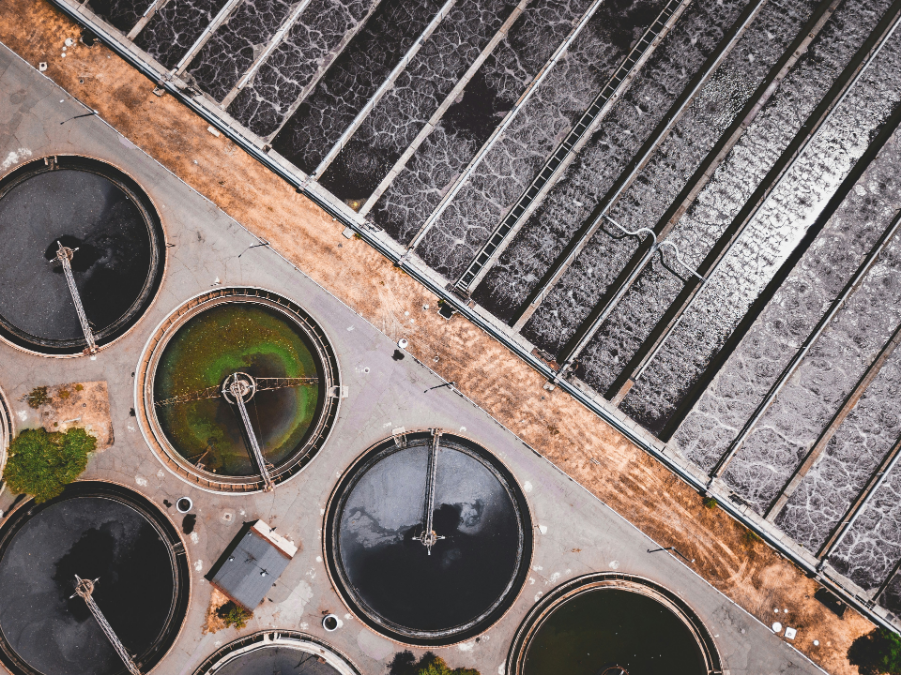
Water systems, wastewater treatment plans, and industrial pumping stations rely on submersible pumps to operate effectively. Submersible pump nameplates are a crucial part of optimizing every pump in your system, although you need to understand the data on these nameplates. They provide vital specs—like horsepower, voltage, and flow rate—that help you choose the right equipment, perform accurate maintenance, and stay compliant with safety standards.
However, your team can’t conduct effective maintenance or repairs if the nameplates are worn or damaged. Avoid the hassle of tracking down information from your manufacturer by opting for durable nameplates from the start.
Get metal equipment nameplates that won’t fade under pressure, even with exposure to moisture and chemicals. MPC’s Metalphoto® nameplates are built to withstand the harshest submersion environments, offering unmatched durability and legibility over decades.
See our nameplates firsthand: Request your free label and tag evaluation kit today.
A submersible pump nameplate shows key details like model, ratings, and serial number. Reading this information helps you check performance, match parts, and track age and service needs.
You usually find model number, serial number, voltage, frequency, horsepower, and flow rate. The nameplate may also show maximum head, current, and the manufacturer’s name.
Some nameplates list certifications, material codes, and country of origin. These details help with pump selection and replacement.
The voltage and frequency tell you what kind of power the pump needs. Horsepower and flow rate show what the pump can do.
Maximum head means the highest point the pump can push water. The serial and model numbers help you find manuals and spare parts.
Check the serial number printed on the nameplate. Some manufacturers use a date code, which can be numbers, letters, or both.
Visit the manufacturer’s website or use their lookup tool. If needed, contact customer support with your serial number to get the exact age.
Focus on the model number, serial number, voltage, and horsepower. Flow rate and maximum head are important if you need a certain performance.
Check for approvals or safety ratings. Confirm the data matches your needs before installing or servicing the pump.
Our sales engineers are experts in automatic asset tracking, tagging and identification,a nd can answer all your questions. Get in touch now.
Lets Talk ›Enter your information and get a free guide that will give you a detailed overview of metal labeling, its advantages over alternative label materials, and all the best practices for using metal labels in your own business or organization.