The Complete Guide to Water Pump Maintenance: Maintenance Types, Schedules + Checklist


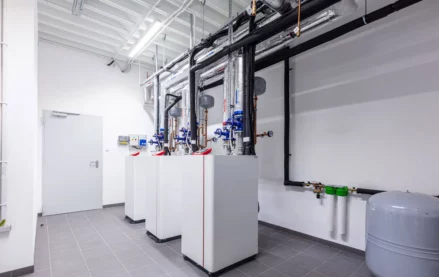
Manufacturers, municipal systems, agriculture, and many other sectors rely on water pumps to keep operations running smoothly. When these pumps operate efficiently, they ensure uninterrupted water flow, reduce energy consumption, and minimize downtime. However, neglecting maintenance can lead to unexpected failures, expensive repairs, and operational disruptions.
Population increases, construction, and infrastructure projects are increasing the demand for water pumps, making it even more important for businesses to understand proper maintenance. The North American pump market alone was worth over $2 billion in 2024 and will be worth over $3 billion by 2032.
Well-maintained water pumps are crucial to reducing costs and improving performance in the long term. While reactive maintenance is common in this area, a proactive approach is essential. Consult this guide to understand common water pump issues, the ideal servicing schedule, and best practices for effective water pump maintenance.
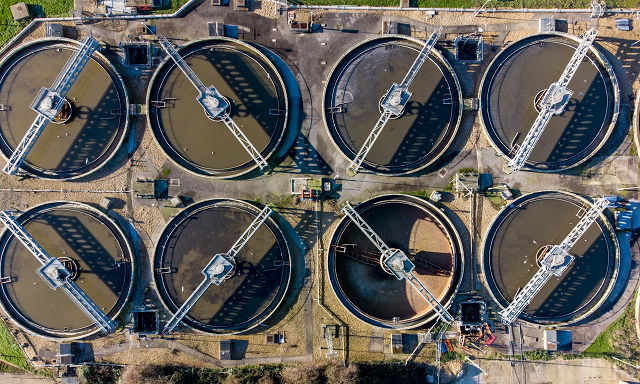
Photo by Bob Brewer from Unsplash
Water pumps, a critical component of infrastructure, circulate water from lower areas to higher ones. They’re essential for construction, residential homes, agriculture, and many other applications. Proactively maintaining these pumps comes with many benefits, including:
Water pumps are often a secondary consideration for maintenance teams, but proper maintenance is key to avoiding several issues, including:
Proper water pump maintenance prevents costly breakdowns, but not all organizations approach maintenance the same way. Every approach has pros and cons, depending on operational needs and the importance of the pump system.
Reactive maintenance involves repairing or replacing a water pump only after the point of failure. This approach has lower upfront costs because there are no regular maintenance expenses, which could work in smaller operations with non-critical pumps.
However, reactive maintenance is far from ideal. Reactive approaches have high repair costs and increase downtime. The average manufacturer experiences 20 downtime incidents per month, accounting for 25 hours of lost production time. Since the costs of unplanned downtime have increased by 50% in recent years, organizations can’t afford to take reactive measures.
Preventive maintenance is a better approach to water pump maintenance. It involves regularly scheduled inspections, servicing, and part replacements. The goal is to prevent expensive failures before they happen, reducing the odds of unplanned downtime. Preventive maintenance also improves pump efficiency and lifespan.
While preventive water pump maintenance costs more upfront, it’s less expensive in the long run because it reduces the high cost of complete replacements. However, this approach requires time and resources for regular maintenance tasks. It can also lead to unnecessary part replacements without proper management.
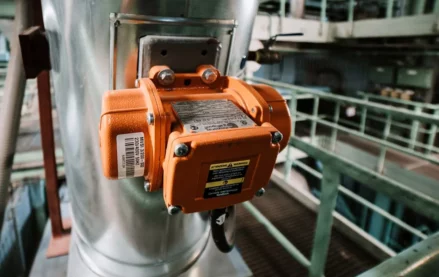
Predictive maintenance maximizes uptime by relying on technology to spot early warning signs and is considered the gold standard of water pump maintenance. Also known as condition-based monitoring, this advanced approach uses sensors, data analytics, and real-time monitoring to detect potential issues before they cause pump failure. Maintenance is performed based on pump condition instead of servicing on a fixed schedule.
This approach reduces unnecessary part replacements while ensuring water pumps receive timely maintenance. It also reduces maintenance costs by only servicing water pumps as needed. Still, predictive maintenance is expensive to set up due to the high cost of sensors and monitoring technology. It’s best for mission-critical applications like water treatment or power plants.
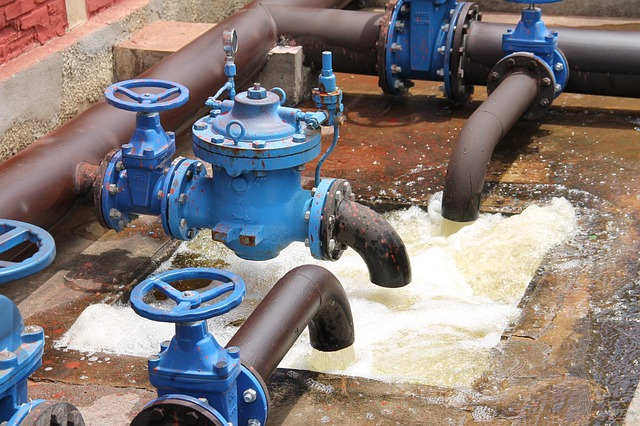
Photo by Fernando Augusto on Pixabay
Well-maintained water pumps can last eight to 15 years. However, they require regular maintenance to reach these impressive lifespans. The ideal schedule varies based on usage, environmental conditions, and pump type, but a structured approach should include daily, weekly, monthly, quarterly, and annual maintenance tasks.
Maintenance teams should follow this checklist for daily maintenance:
Depending on the water pump’s usage, it may require additional weekly maintenance like:
Maintenance teams should follow this checklist for monthly water pump maintenance:
Less frequent maintenance tasks require more effort, but they’re essential to keeping your water pumps in working condition. Conduct these water pump maintenance tasks every quarter:
Finally, the maintenance team should conduct annual tasks like:
This water pump maintenance schedule is merely a suggestion. Organizations must customize their maintenance schedules to fit usage patterns and the criticality of water pumps. For example, high-usage pumps will need more frequent high-level maintenance, such as full inspections, because of their importance.
The organization’s approach to maintenance will also have an impact on maintenance schedules. For example, predictive maintenance systems don’t rely as much on predetermined schedules, focusing more on data-driven action plans based on actual system performance.
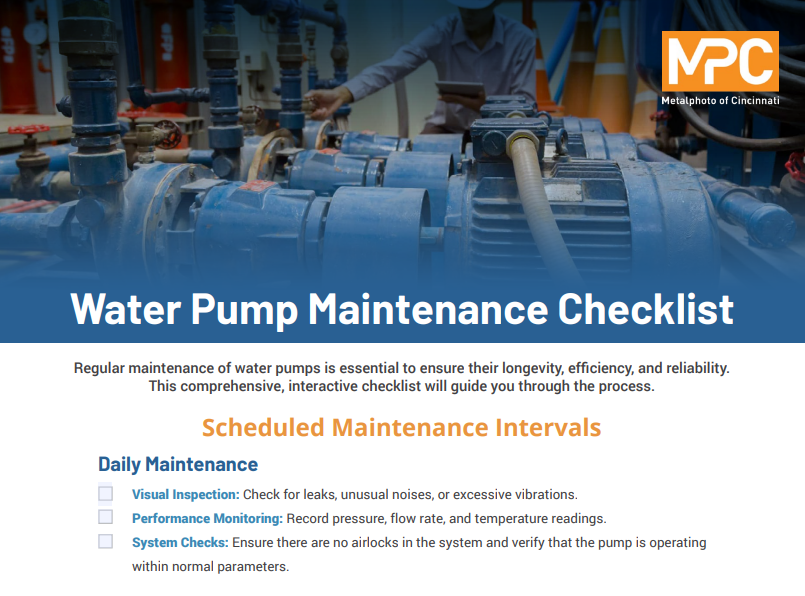
To ensure your water pump operates at peak performance and longevity, regular maintenance is crucial. That’s why we’ve developed an interactive water pump maintenance checklist designed to guide your team through every essential task.
By staying ahead of potential issues, you can avoid costly repairs, extend the lifespan of your equipment, and enhance the reliability of your water pump systems. Whether you’re conducting daily inspections, managing weekly upkeep, or preparing for quarterly and annual servicing, this checklist helps streamline the process and ensures no critical step is missed.
Download your Interactive Water Pump Maintenance Checklist [PDF]
Photo by William Warby on Unsplash
Regular maintenance is crucial to ensuring that your water pump lasts for years. Follow these best practices to conduct water pump maintenance that balances both performance and costs.
Reactive maintenance increases costs and reduces performance. While predictive maintenance is ideal, it isn’t possible for all organizations. Preventive maintenance is a realistic compromise, although it requires following a strict maintenance schedule to keep pumps in working order.
Create a maintenance schedule and hold your team accountable for it. Regular visual and operational inspections help identify leaks, unusual noises, or pressure inconsistencies before they become major problems. During inspections, check for loose bolts, misalignment, and excessive vibrations.
Preventive maintenance is challenging to implement with paper checklists and manual processes. Successful organizations use a maintenance management solution to manage employee schedules, maintenance checklists, water pump manufacturer manuals, and more in the same system. Not only that, but integrating technology today future-proofs your organization, as many of these solutions can also support predictive maintenance programs and sensors.
However, bridging the gap between physical water pumps and digitized maintenance systems can be challenging. Organizations rely on Metalphoto of Cincinnati’s durable labels and tags to simplify maintenance tasks. Provide maintenance instructions, part numbers, or scannable QR codes designed to work with your maintenance software to streamline the entire maintenance process with fewer manual inputs. Best of all, our labels and tags are rated to last up to 20 years in even the harshest environments, ensuring this information remains legible for the water pump’s entire lifespan.
Maintenance logs track essential data about water pumps. Tracking maintenance schedules and past repairs helps ensure that nothing is overlooked and allows for proactive maintenance rather than reactive fixes.
However, manual or paper maintenance logs are prone to user error and inaccurate information. Organizations should digitize these logs to minimize inaccuracies and speed up maintenance. If your organization ever switches to a predictive maintenance system, it can analyze these historical maintenance logs to quickly identify trends and recommend customized maintenance schedules.
Paired with a maintenance monitoring system, scannable MPC labels support faster, more detailed water pump maintenance logs. Label water pumps with durable identification tags to track service history with a simple scan. Use Metalphoto of Cincinnati’s high-quality labels, which are resistant to water, chemicals, and extreme temperatures, to mark maintenance schedules and specifications on pumps.
A well-trained team ensures that pumps are used correctly and maintained efficiently, reducing errors that can lead to failures. Provide hands-on training on pump operation and troubleshooting and teach employees how to identify the warning signs of pump failure. Encourage all employees to report even minor issues for review, which can prevent small problems from escalating into significant failures.
Organizations should also train maintenance staff on digital maintenance systems. Adding a digital system to your existing workflows can cause confusion, so it’s crucial to equip employees with thorough training about the new system and its importance. Consider providing additional documentation, such as training videos, that employees can reference to refresh their knowledge.
It can be tempting for maintenance teams to prioritize visual inspections, but line-of-sight inspections alone can’t pinpoint issues below the surface. Dirt, debris, and sediment can clog filters and restrict water flow, leading to pump inefficiency or failure. In high-use environments, inspect and clean filters weekly and promptly replace clogged or damaged filters. If your water pumps clog frequently, consider installing a pre-filter system to reduce debris.
Effective water pump maintenance prevents breakdowns and extends the lifespan of your equipment, reducing long-term costs while supporting system resilience. By implementing a structured maintenance plan, businesses can avoid costly repairs, ensure consistent performance, and improve overall reliability.
Every step, from routine inspections and lubrication to pressure monitoring and predictive maintenance, is crucial to keeping your pump in top condition. Using high-quality labels from Metalphoto of Cincinnati helps streamline maintenance tracking, ensuring that essential service records remain accessible and durable even in harsh conditions.
Request a free MPC label and tag evaluation kit today to see how MPC’s durable tags keep your business moving in even the most challenging environments.
The ideal maintenance schedule depends on the type of pump and usage. Daily visual inspections, weekly lubrication, monthly filter cleanings, and annual deep inspections are recommended. High-usage pumps may require more frequent servicing.
Leaks, unusual noises, excessive vibrations, overheating, decreased water pressure, and inconsistent flow rates are all warning signs that a water pump needs attention. Electrical issues like motor failure or unexpected shutdowns can also indicate underlying issues.
Preventive maintenance involves scheduled servicing such as lubrication, inspections, and part replacements to avoid breakdowns. Predictive maintenance uses real-time sensors and data analytics to detect potential issues before they become major problems, allowing for maintenance only when it’s necessary.
Our sales engineers are experts in automatic asset tracking, tagging and identification,a nd can answer all your questions. Get in touch now.
Lets Talk ›Enter your information and get a free guide that will give you a detailed overview of metal labeling, its advantages over alternative label materials, and all the best practices for using metal labels in your own business or organization.