MIL-DTL-15024: Complete Guide to Military Identification Labels, Plates and Tags
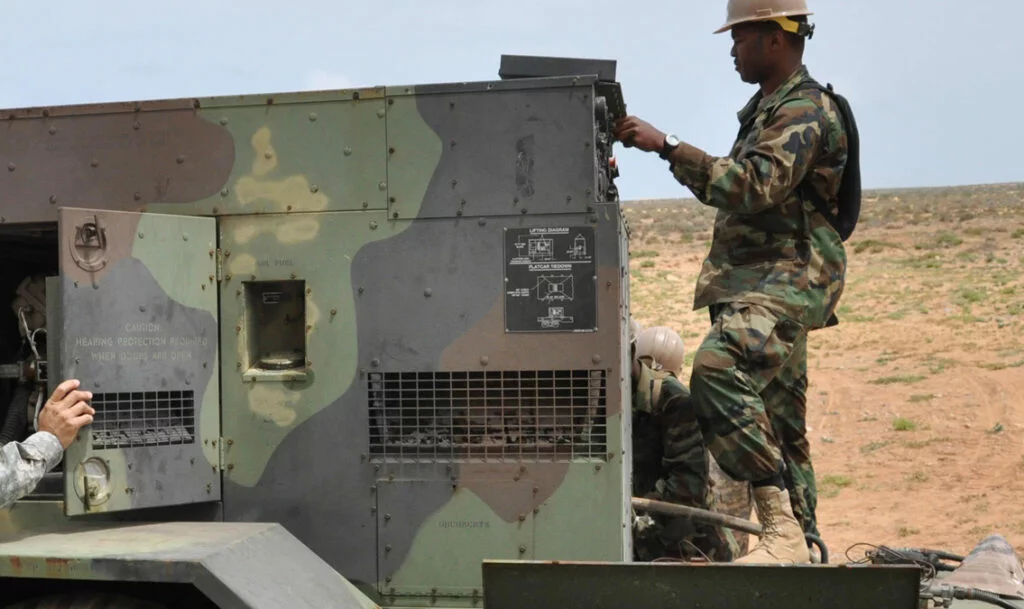


How does military equipment maintain accurate, durable identification labels even after years of exposure to saltwater corrosion, extreme temperatures, hydraulic fluids, and intense UV radiation? The answer lies in MIL-DTL-15024—a rigorous military specification that defines exactly how identification labels, plates, tags, and bands must be manufactured, tested, and applied to defense equipment.
Whether you’re a procurement specialist preparing contract documents, an engineer selecting identification solutions for military hardware, or a manufacturer seeking to understand compliance requirements, this guide covers everything you need to know about MIL-DTL-15024, including the differences between revision F and the current revision G standard.
MIL-DTL-15024 is a Department of Defense performance specification that establishes the physical characteristics, material requirements, and testing standards for identification devices—including plates, tags, and bands—used to mark military equipment. These identification devices display critical information such as nomenclature, part numbers, serial numbers, voltage specifications, manufacturer data, and safety warnings on electrical, electronic, and mechanical military equipment.
The specification ensures that UID (Unique Identification) labels remain legible and intact throughout the operational life of equipment, regardless of environmental conditions. From aircraft instrument panels to naval vessel systems, from ground vehicle components to weapon systems—MIL-DTL-15024 governs how military assets are permanently identified.
Important: The current active specification is MIL-DTL-15024G, published March 3, 2018, which supersedes MIL-DTL-15024F (November 28, 1997). However, many existing contracts and legacy equipment still reference revision F, making it essential to understand both versions.
Key differences between F and G:
When each version applies:
MIL-DTL-15024 defines multiple types of identification devices, each optimized for specific materials, marking methods, and environmental conditions. Understanding these types is crucial for selecting the right identification solution.
| Type | Description | Material Options | Marking Method | Min. Thickness | Best Applications |
|---|---|---|---|---|---|
| Type A | Chemically etched/engraved plate | Brass, stainless steel, aluminum | Chemical etching (sunken or relief) | 0.03″ | Outdoor equipment, high durability needs |
| Type B | Mechanically engraved plate | Brass, stainless steel, aluminum, plastic | Mechanical engraving with fill | 0.03″ | Control panels, interior equipment |
| Type C | Stamped plate | Brass, stainless steel, aluminum | Stamped characters | 0.03″ | Heavy equipment, rugged applications |
| Type D | Cast plate | Bronze, brass | Cast raised characters | Varies | Heritage/traditional applications |
| Type E | Printed plate | Brass, steel, aluminum, plastic | Screen/sublimation/digital print | 0.03″ | Protected interior environments only |
| Type F | Laminated plate | Non-metallic laminate | Printed between transparent layers | Varies | Interior panels, protected areas |
| Type G | Foils, vinyl, polyester labels | Adhesive-backed foil/vinyl/polyester | Integrated or surface printed | 0.012″ (adhesive) | Flexible mounting, curved surfaces |
| Type H | Photosensitive plate (Metalphoto®) | Anodized aluminum per GG-P-455 | Photographic process with silver compounds | 0.02″ | Extreme durability, aerospace, marine |
| Type J | Stamped tag | Plastic, aluminum, stainless steel | Permanent stamping | 0.03″ | Hanging identification, cable marking |
| Type L | Laser-generated plate | Anodized aluminum, coated aluminum, phenolic plastic, stainless steel | Laser marking/engraving | 0.005″-0.0625″ | High-precision, modern applications |
For maximum durability (20+ years): Type H (photosensitive) or Type L (laser anodized aluminum)
For cost-effective solutions: Type B (mechanical engraving) or Type E (printing – interior only)
For corrosive environments: Type A (chemical etch), Type H (photosensitive), or Type L Class 1
For curved/flexible mounting: Type G (adhesive foils/vinyl)
For traditional appearance: Type D (cast) or Type A (relief etched)
Need help selecting the right type for your application? Contact our identification specialists for expert guidance on military specification labeling solutions.
Understanding compliance requirements is critical for manufacturers and procurement professionals working with MIL-DTL-15024. Unlike commercial standards, military specifications demand rigorous documentation, testing, and quality control.
Character Size Standards:
Marking Information: Required data varies by application but typically includes:
Color Requirements: MIL-DTL-15024 specifies nine color styles using SAE AMS-STD-595 color standards:
| Style | Background Color | Character Color | Common Use |
|---|---|---|---|
| Style I |
White (SAE 37875)
|
Black (SAE 37038)
| General equipment |
| Style II |
Black (SAE 37038)
|
White (SAE 37875)
| Electronic equipment default |
| Style III |
Black (SAE 37038)
|
Natural
| Anodized aluminum |
| Style IV |
Natural
|
Black (SAE 37038)
| Natural metal finish |
| Style V |
Olive Drab (SAE 24084)
|
White (SAE 37875)
| Tactical equipment |
| Style VI |
Red (SAE 21105)
|
White (SAE 37875)
| Warning/caution labels |
| Style VII |
Yellow (SAE 23655)
|
Black (SAE 37038)
| Attention/caution labels |
| Style VIII |
Red (SAE 21105)
|
Natural
| High-visibility warnings |
| Style IX |
Orange (SAE 12197)
|
Natural
| Safety/emergency equipment |
Material Requirements: All materials must be:
No formal certification required: Unlike some military specifications, MIL-DTL-15024 does not require third-party certification. However, manufacturers must demonstrate compliance through documentation and testing.
Required compliance documentation:
Common compliance mistakes to avoid:
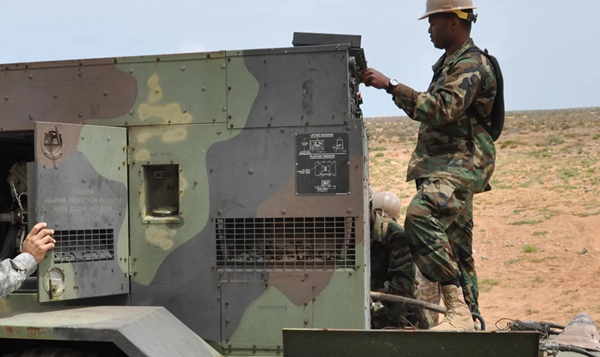
Sampling procedures follow ASQ Z1.4 (ANSI/ASQ Z1.4, formerly MIL-STD-105):
Major defects that result in lot rejection:
Testing frequency:
MIL-DTL-15024 labels must survive extreme conditions without degradation. The specification outlines rigorous testing protocols that vary by type and intended application.
1. Temperature Cycling (MIL-STD-202, Method 107)
2. Weather Resistance (ASTM D7869)
3. Abrasion Resistance (ASTM D4060 – Taber Abraser)
4. Salt Spray Corrosion (ASTM B117)
5. Fluid Resistance (MIL-STD-810, Method 504)
6. Flammability (MIL-HDBK-454, Guideline 3)
7. Fungus Resistance (ASTM G21)
Not all types require all tests. The specification’s Table IV defines requirements:
Most rigorous testing: Type H (photosensitive) and Type L (laser-generated) metallic plates undergo all applicable tests including 4,000-cycle abrasion and 30-day weather testing.
Moderate testing: Types A, B, C (metallic engraved/etched plates) require comprehensive testing except extended abrasion.
Limited testing: Type E (printed plates) and Type F (laminated) have reduced testing since they’re specified for protected environments only.
Test exemptions: Some tests apply only to metallic or non-metallic types (e.g., salt spray for metallic, fungus testing for non-metallic).
Metallic materials:
Non-metallic materials:
Coatings and finishes:
Adhesives:
Recycled materials acceptable: Recycled, recovered, or environmentally preferable materials may be used if they meet or exceed all operational and maintenance requirements.
Chemical etching (Type A): Photoresist masking followed by acid etching creates permanent sunken or relief characters. Depth minimum 0.003″ for filled plates. Provides excellent durability and chemical resistance.
Mechanical engraving (Type B): Computer-controlled or pantograph engraving removes material to create characters. Minimum depth 0.008″ ensures durability. Filled with contrasting color for visibility.
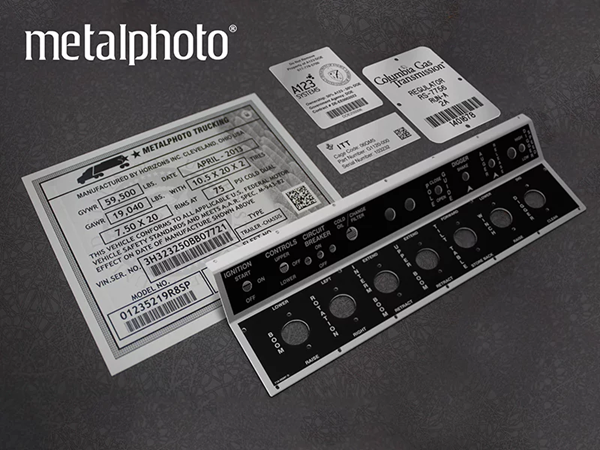
Photosensitive anodizing (Type H): The “Metalphoto®” process integrates silver compounds into anodized aluminum through photographic exposure. Creates images sealed beneath clear anodic layer, providing exceptional durability—tested to withstand 1000°F exposure, 720-hour salt spray, and decades of outdoor weathering.
Laser marking (Type L): High-energy lasers create permanent marks by:
Digital/screen printing (Type E): Modern printing technologies allow full-color graphics and complex layouts. Must be overcoated with protective clear film. Limited to protected interior environments due to lower durability.
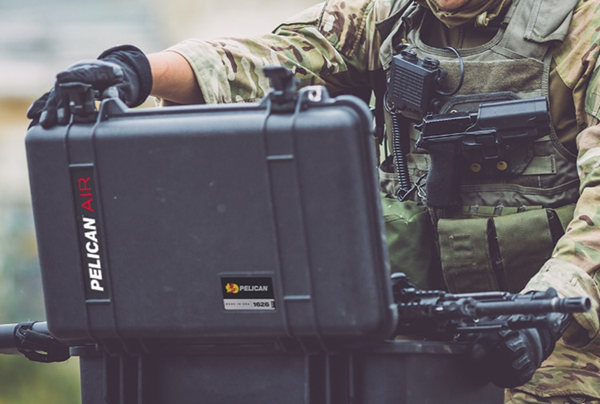
Ground Systems:
Weapons Systems:
Many commercial sectors adopt MIL-DTL-15024 standards for demanding applications:
Oil & Gas: Offshore platforms, refineries, and pipelines use Type H plates for 20+ year identification in corrosive petrochemical environments.
Nuclear Industry: Reactor equipment labeling, safety-critical component identification where longevity and regulatory compliance are paramount.
Chemical Processing: Equipment exposed to aggressive chemicals, high temperatures, and frequent cleaning.
Marine Industry: Commercial vessels, offshore installations, port equipment facing saltwater corrosion.
Heavy Equipment: Mining, construction, and agricultural equipment requiring durable identification.
Utilities: Power generation facilities, transmission equipment, substations where long-term identification reliability is critical.
Looking for military-specification identification solutions for your critical equipment? Explore MPC’s Metalphoto® anodized aluminum nameplates meeting MIL-DTL-15024 Type H requirements for maximum durability.

MIL-DTL-15024 works in conjunction with other military standards to create a comprehensive identification system:
MIL-STD-130 – Identification Marking of U.S. Military Property: Defines WHAT information must be marked and HOW it should be formatted, including Unique Identification (UID) requirements using 2D Data Matrix codes. MIL-DTL-15024 defines the physical label specifications that implement MIL-STD-130 requirements.
MIL-DTL-19834 – Metal Foil, Adhesive Backed: Covers adhesive-backed metal foil identification plates, closely related to Type G labels in MIL-DTL-15024. Often used interchangeably depending on contract specifications.
GG-P-455 – Photographic, Photosensitive, Anodized Aluminum: The federal specification governing Type H photosensitive plates (Metalphoto®). Defines the anodizing and photographic process requirements.
MIL-STD-1472 – Human Engineering: Establishes legibility requirements including character sizing, spacing, contrast ratios, and viewing distance considerations that affect label design.
MIL-STD-810 – Environmental Engineering: Provides environmental test methods including Method 504 (fluid contamination) referenced in MIL-DTL-15024 testing requirements.
When preparing contracts, purchase orders, or statements of work for MIL-DTL-15024 labels, specify:
Example specification language:
“Identification plates shall conform to MIL-DTL-15024G, Type H, Style II, Size 10. Plates shall include the following information in the specified format: [list data elements]. First Article Inspection is required. Testing per specification Table IV shall be performed on initial lot and every six months thereafter.”
Material selection: Unless specifically mandated, contractors select materials that meet specification requirements for the intended environment and application.
Quality assurance: Contractors must maintain quality systems capable of ensuring consistent compliance, with documented procedures for inspection, testing, and nonconformance handling.
Documentation: Contractors must provide Certificates of Conformance, test reports when applicable, and maintain traceability records.
Design approval: When information plates (instructional/operational content) are required, contractors must submit proposed designs for customer approval before production.
MIL-DTL-15024 represents decades of military engineering refinement, creating identification solutions that survive the harshest operational environments—from carrier deck saltwater spray to Arctic cold to jet engine heat. Understanding the distinction between revision F (1997) and current revision G (2018) ensures your labels meet contract requirements for both legacy and new defense programs.
With 12 distinct types and rigorous testing protocols including 336-hour salt spray exposure and 4,000-cycle abrasion testing, the specification guarantees that critical equipment information remains legible throughout the entire service life of military assets.
Success with MIL-DTL-15024 hinges on three fundamentals: selecting the appropriate type for your environmental conditions, maintaining comprehensive compliance documentation, and working with experienced suppliers who understand both technical specifications and military qualification processes.
Whether you’re marking aircraft instrumentation, naval systems, ground vehicles, or adopting mil-spec standards for commercial applications in oil & gas or marine industries, this specification provides the proven framework for identification that withstands decades of service while supporting mission readiness, maintenance efficiency, and operational safety.
MIL-DTL-15024G (March 2018) is the current specification that superseded revision F (November 1997). Key changes include:
For new contracts, specify revision G. For existing/legacy contracts, continue using the specified revision. Both versions remain available through the Defense Logistics Agency.
No formal third-party certification is required. However, manufacturers must demonstrate compliance through:
Government contracting officers and prime contractors may conduct audits or require additional proof of compliance capability before awarding contracts.
Type selection depends on:
Consult with experienced identification specialists when selecting types for critical applications. Contact MPC’s engineering team for application-specific recommendations.
During inspection:
During environmental testing:
During service life:
Prevention: Specify appropriate type for application, ensure proper testing, verify installation procedures, and choose experienced manufacturers.
Yes, but with strict limitations:
Metallic types A, B, C, D, F, and L (minimum 0.03″ thickness) can be permanently stamped with additional information. Characters must be minimum 0.003″ deep unless otherwise specified.
Metallic types H and J may also receive additional stamping for information updates.
Additional marking methods allowed:
Critical restrictions:
Best practice: Design labels with blank spaces or tables specifically for future additional marking when updates are anticipated (e.g., test dates, inspection records, modification tracking).
Label lifespan varies significantly by type and environment:
Type H (photosensitive anodized aluminum): 20+ years even in harsh outdoor, marine, or high-temperature environments. Successfully tested at 1000°F without legibility loss and 720-hour salt spray without deterioration. The silver images are sealed beneath the anodic layer, making them extremely durable.
Type L (laser-generated): Class 1 and 2 metallic types: 15-20 years in outdoor environments; Class 3 phenolic: 10-15 years in protected environments.
Type A and B (etched/engraved metallic): 10-15 years in outdoor environments, longer when protected.
Type G (adhesive foils/vinyl): 5-10 years depending on material quality and environmental exposure.
Type E (printed): 3-5 years in protected interior environments only (not suitable for outdoor use).
Actual lifespan depends heavily on:
For critical equipment requiring maximum label longevity, specify Type H or Type L Class 1 materials with documented performance testing.
While MIL-DTL-15024 is a military specification, many commercial industrial sectors adopt it voluntarily for demanding applications where long-term durability is critical:
Commercial standards that overlap:
When to use MIL-DTL-15024 commercially:
Commercial alternatives:
For commercial applications not requiring military specification compliance but needing exceptional durability, consider MPC’s industrial-grade Metalphoto® nameplates using the same Type H photosensitive anodizing technology proven in military service.
Minimum documentation requirements:
Certificate of Conformance (CoC):
First Article Inspection Report (when required):
Quality Control Documentation:
Test Reports (when testing specified):
Traceability Records:
Maintain all documentation for minimum 10 years or contract-specified retention period. Government audits may require production records review.
Our sales engineers are experts in automatic asset tracking, tagging and identification,a nd can answer all your questions. Get in touch now.
Lets Talk ›Enter your information and get a free guide of the key design considerations applicable to industrial control panel design, including schematics, relevant regulatory standards, and design considerations relating to every facet of effective control panel design for industrial equipment and machinery.