What to Know About Hydraulic Pump Identification: Common Markings, Inspection Techniques


If you work with hydraulic pumps, knowing how to identify them is crucial for selecting the correct parts and preventing costly mistakes. This process can save you time and prevent equipment problems.
You can use simple visual checks and look at technical documents to find the information you need. Most pumps have labels, stamped codes, or equipment nameplates that show their make, model, and other important details. Learning what to look for will help you perform your job more effectively and with greater confidence.
Photo by David Birozy from Unsplash
Correct hydraulic pump identification helps you match the right parts, avoid equipment failure, and simplify repairs. Still, you need to use reliable methods and know how to read serial numbers and model codes to keep machinery running well.
Identifying a hydraulic pump is essential for ordering correct replacement parts, troubleshooting, and matching system requirements. Accurate pump identification also ensures you’re following the right maintenance and safety practices.
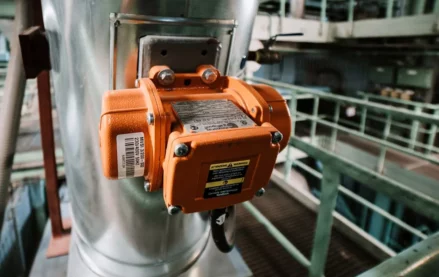
The most common method is to locate and read the pump’s data plate or label. This tag usually contains the manufacturer’s name, model number, serial number, and specifications.
You can also look for stamped codes or casting numbers on the pump body if the data plate is missing. Sometimes, manufacturers include QR codes or barcodes that you can scan using a smartphone or tablet. Photographs of the pump and any markings can help if you need to consult with a dealer or support team.
The model and serial numbers provide specific details about your hydraulic pump, including size, series, mounting type, and configuration. Decoding these numbers helps you cross-reference manuals, find compatible parts, and check for recalls. It also prevents errors and wasted time during repairs or part replacement.
Usually, the model number is a series of letters and numbers located on the pump’s data plate. Here’s a breakdown of a typical model number:
| Section | Meaning |
| First Letters | Pump Series/Type |
| Next Numbers | Displacement/Size |
| Suffix Letters | Shaft/Port Options |
| Ending Numbers | Special Features |
For example, a model number “V15A1P1S-95” means:
You may encounter various types of hydraulic pumps, including gear pumps, vane pumps, and piston pumps. Each type has its own look, mounting pattern, and technical features.
Knowing your pump type helps you follow the right maintenance schedule and match it with compatible components. Always refer to visual guides and technical drawings if you need help spotting the differences.
You can find key details about a hydraulic pump by examining specific markings and labels on the pump. These typically show the maker, important manufacturing codes, and technical data.
Most hydraulic pumps feature a manufacturer label stamped, engraved, or printed directly on the pump body. This label typically displays the brand name or logo, allowing you to quickly identify the manufacturer of the pump. Some labels also list the country of origin.
Many companies use a model or part number on this label. This number is useful if you need to find parts or look up specs. Sometimes, a serial number is included, which can help track the pump’s history or when it was made.
The manufacturer label might fade if the pump is old or dirty. Use a flashlight and clean the area gently to help make the label readable. Opting for high-quality, equipment labels from Metalphoto of Cincinnati is also helpful for ensuring long-term readability.
Some pumps have casting codes that are part of the metal surface. These are usually raised or stamped numbers and letters. Casting codes are not the same as model numbers. They mostly show information about the production batch, factory, or mold used.
Casting codes can be helpful for determining the age of your pump or verifying if it matches a specific production run. You may need to compare the codes against records from the manufacturer.
Here is a sample of what you might see for casting codes:
| Example Code | What It Means |
| C-12-21 | Batch or Date Info |
| Y2 | Factory Location |
| 04A | Mold Identifier |
If you have trouble reading the code, try cleaning the area and using a magnifying glass.
A nameplate or data plate is a small plastic or metal plate attached to many hydraulic pumps. The nameplate is usually riveted or screwed onto the pump housing. It includes crucial information in a clear, engraved, or printed format.
You can expect to see details like:
If the metal equipment nameplate is missing or damaged, identifying the pump will be harder. Take a photo of what remains, and compare it with manufacturer catalogs. Sometimes, technical support can help if you supply a partial tag or number. Always check for extra numbers or codes stamped onto the edges.

Photo by Guilherme Cunha from Unsplash
You can identify a hydraulic pump by looking at its physical features. Paying attention to shape, connection points, and materials gives you important clues before examining any data plate or label.
Start with the pump body shape. Gear pumps often have a rectangular housing with two or more bolts along the sides. Piston pumps usually have a longer, cylindrical shape. Vane pumps are often round and squat, sometimes with a set of cover bolts evenly spaced around the perimeter.
Check for mounting flanges or brackets. These help with alignment and show if the pump is designed for industrial systems or mobile equipment. Look for any drive shaft or coupling. The size and style can help you determine the model or series.
Many pumps have manufacturer marks cast into the body, too. Look for logos, simple codes, or casting numbers. Take note of the exact spot and style, as these help match the pump to specific brands.
Count the number of ports. Most hydraulic pumps have two: one for suction (inlet) and one for discharge (outlet). The position, size, and thread type of these ports can identify both the pump’s function and its series or model.
Use a ruler or caliper to measure the diameter. Thread type—NPT, BSP, SAE, or metric—is also key in hydraulic pump identification. Threads will often have distinctive spacing or shape. Pumps for high-pressure work may have thicker or reinforced port areas.
Some pumps offer extra ports, such as for case drains. These are not used for fluid transfer but for venting or pressure balancing. Label locations, port markings, and thread details all offer solid identification clues.
The material and surface finish of a pump can reveal its type and intended use, making it a helpful source of information for hydraulic pump identification. Cast iron is common for industrial applications, while aluminum is used for lighter-duty or mobile pumps. You may see steel or composite bodies on more specialized units.
Surface treatments can also give you hints. A shiny, smooth surface often means the pump has been powder-coated or painted for corrosion resistance. Raw cast iron feels grainy or rough. Aluminum feels lighter and sometimes has a brushed or matte look.
Inspect for wear, dents, or signs of repair. Factory edges and paint will look even, while field repairs or touch-up paint appear uneven. These details help confirm if you are looking at an original unit or a modified or rebuilt pump.
Hydraulic pump identification is easier when you have access to technical documents like manuals and catalogs. These documents provide detailed data, diagrams, and part numbers.
Reference manuals come from the pump manufacturer. They show the pump’s specifications, model codes, and service instructions in clear sections.
Look for a table of contents or index to help you find the model number, series, displacement, and mounting type. Manuals often have diagrams or exploded views. These images let you match the parts in your pump with their labeled names and numbers.
Use manufacturer tables or bullet lists to compare sizes, ports, and performance ratings for faster hydraulic pump identification. Keep in mind that updates to manuals are common, so always check the manual’s version against the build date of your pump.
Product catalogs or selection guides help you match your pump to a possible replacement or to confirm its specs. Catalogs often group pumps by type, size, and use.
Check the tables that compare features side-by-side. For example:
| Pump Model | Rated Flow | Max Pressure | Shaft Type |
| A123 | 10 GPM | 3000 PSI | Keyed |
| B456 | 14 GPM | 3500 PSI | Spline |
Use catalog images or charts to confirm if your pump’s ports, mounting flanges, and other key parts line up with what you see in the manual. Always check for notes on discontinued models or new replacements.
Hydraulic pump identification often relies on specific standards and manufacturer references. These help you find the right pump and match it with the correct parts.
The International Organization for Standardization (ISO) and the American National Standards Institute (ANSI) set rules for naming, sizing, and testing hydraulic pumps. These standards outline the procedures for measuring, labeling, and testing pumps to ensure safety and proper function.
Following these rules means you can compare pumps from different companies and know they will fit and work as expected.For example, ISO 4401 covers dimensions and mounting surfaces for hydraulic pumps.
ANSI standards often focus on U.S. industry needs and may cover additional details like pressure ratings or seal types. When checking a pump, look for markings or labels indicating standards such as ISO 4411 or an ANSI code. These can help you match pumps correctly in your system.
Most technical manuals and product sheets list these codes in a table, like:
| Standard | Area Covered | Common Use |
| ISO 4401 | Mounting surface | Interchangeability |
| ISO 4411 | Testing methods | Performance checks |
| ANSI B93 | Design specs | U.S. systems |
Original Equipment Manufacturers (OEMs) print guides for their hydraulic pumps. These guides include model numbers, dimension drawings, and part lists. Using these tools can help you correctly identify a pump, even if it looks similar to another brand.
OEM guides often include cross-reference charts. These show you which pumps from other brands match the OEM’s products. Some guides even provide pictures and diagrams, making it easier to confirm which pump you have.
Many OEMs offer these guides as downloadable PDFs on their websites. If you have the serial number or casting code, you can search online or call the manufacturer for help. Keeping OEM guides handy can save time and help you avoid mistakes during pump replacement or repair.
When you identify a hydraulic pump, check the pump’s nameplate first. It gives you quick details like model, serial number, and specs. Look for manufacturer logos and part numbers. These help you find more data in manuals or online catalogs. Pay attention to the physical features. Pump size, mounting type, and port locations give useful clues.
Remember to:
However, the quality of the labels, tags, and nameplates on your hydraulic pumps also matters. When long-term readability is on the line, go with MPC’s durable solutions. Whether you need custom data plates, etched labels, or serialized tags, we deliver precision you can trust. Request your free label and tag evaluation kit today to test our materials at your location.
Hydraulic pumps have serial numbers, design features, and markings that help you identify them. Knowing how to read these details can make it much easier to find model information or order replacements.
The serial number is a unique code usually stamped or engraved on the pump’s body or nameplate. You can use it to trace the exact model, production date, and sometimes the manufacturing plant.
Some manufacturers provide resources, like guides or websites, to decode their serial numbers. If you have questions, you can often contact the manufacturer directly with the serial number for more information.
First, look for any nameplates, labels, or markings on the pump. Write down any numbers, serial codes, or company names you find.
Next, compare the pump’s measurements and features to documentation from pump makers or online catalogs. Photos can help match your pump to similar products. If you are unsure, contacting a distributor with all your collected info can also help.
Yes. The shape of the pump housing, shaft type, and mounting style often point to specific models or types.
Pay attention to details like the size and shape of flanges, the number of bolts, and whether the pump is gear, vane, or piston type. These features help narrow down what kind of hydraulic pump you have.
Look for manufacturer logos, model numbers, serial numbers, and specification data. This information is usually found on a metal tag, stamped into the body, or printed on a sticker.
Other useful markings include manufacturing dates, flow ratings, and pressure ratings. These can help you quickly match the pump to technical specs or order parts.
Our sales engineers are experts in automatic asset tracking, tagging and identification,a nd can answer all your questions. Get in touch now.
Lets Talk ›Enter your information and get a free guide of the key design considerations applicable to industrial control panel design, including schematics, relevant regulatory standards, and design considerations relating to every facet of effective control panel design for industrial equipment and machinery.