What to Know About Heat Pump Nameplates



Heat pumps are a versatile way to keep your facilities both warm and cool. These systems are more flexible and energy-efficient than traditional air conditioning systems, but they still require proper installation, use, and maintenance to work properly.
While there are many components on a heat pump, the small metal or plastic heat pump nameplate (usually found on the side of the system) is a crucial part of understanding and properly servicing your equipment.
From voltage and capacity to refrigerant type and serial numbers, the nameplate tells technicians everything they need to know at a glance. However, if your nameplate fades, peels, or wears away over time, information will disappear with it, opening you up to maintenance errors and potential safety issues.
Learn why heat pump nameplates are so important and how to quickly reference and understand the nameplates for your system.
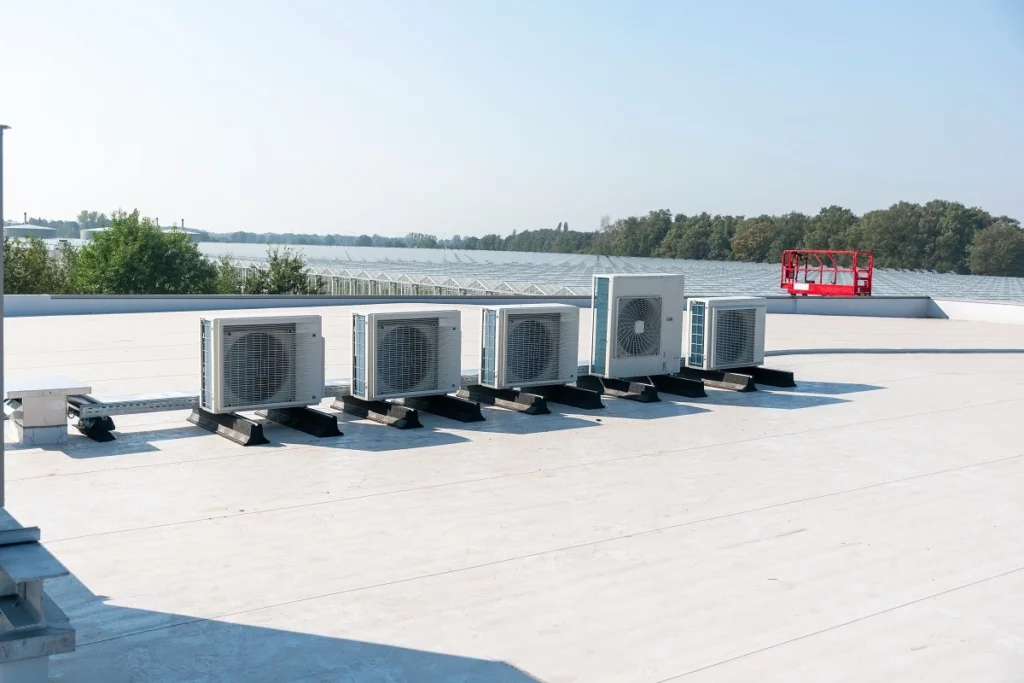
A heat pump nameplate is a metal or durable label attached to the unit. It shows important details about the heat pump’s identity, function, and safety.
The pump nameplate helps you quickly identify key information about your heat pump. It lists details such as the brand, model number, serial number, and electrical ratings.
When you need to order parts, get service, or check warranty status, you use the info from the equipment nameplate. HVAC service technicians rely on it for correct settings, such as voltage and refrigerant type.
It is also important for safety. The nameplate includes maximum and minimum electrical values. This helps you avoid using the system with the wrong power supply or overloading circuits.
Some common details listed on a heat pump nameplate:
| Detail | Description |
| Model Number | Tells you the exact type of the unit |
| Serial Number | Unique to your heat pump |
| Voltage | Electrical power required |
| Phase and Frequency | Details for electrical compatibility |
| Maximum Fuse/Breaker | Safety limits for electrical protection |
| Refrigerant Type | Safe handling and environmental info |
If you ever need documentation or help, the nameplate details are essential.
Heat pump nameplates must follow industry rules to make sure information is accurate and easy to read. In the United States, these rules are typically established by organizations such as UL (Underwriters Laboratories) and AHRI (Air-Conditioning, Heating, and Refrigeration Institute).
These standards specify what information must be included and how it should be presented. For example, voltage ratings, model numbers, and manufacturer information must be displayed in specific formats and sizes. This makes it easy for anyone to quickly identify critical information.
Regulations will also say how durable the nameplate has to be. The label must remain readable even after years of sun, weather, or cleaning. If your unit is inspected, the inspector will verify the details on the nameplate to ensure it meets the relevant codes.
You can usually find the nameplate on the exterior of the heat pump unit. It is often on the side or near the electrical access panel where it is easy to see.
On split systems, both the indoor and outdoor units will have their own nameplates. Check each part if you need full info for your system. Heat pumps for residential use often have a sticker or metal plate on the outdoor cabinet.
If you can’t see it at first, look for labels placed on metal panels that are outside of moving parts or where wiring connects. Keeping the nameplate clean and readable helps homeowners, installers, and inspectors quickly access key information. Remember, never remove or cover your nameplate, since it is needed for service, safety checks, and warranty claims.
You can learn a lot about your heat pump just by reading the nameplate. It contains important numbers and facts you need for installation, operation, and repairs.
The model number tells you the specific type and features of your heat pump. This number is useful when you need to find compatible parts or check for recalls. Each manufacturer has its own way of writing model numbers, but they all show key design details.
The serial number is unique to your unit. You will need this number if you need warranty service or to register your product. The serial number may also show when the heat pump was made. Some brands use numbers or codes to include the year and even the month of manufacture.
Keep both numbers written down somewhere safe. If the nameplate becomes hard to read over time, you can still access them. These numbers are usually found on the nameplate near the top or in a bold font.
The nameplate lists the main electrical requirements for the heat pump. This information is important when installing or servicing the unit. Look for these key electrical ratings:
Always use these numbers to make sure your wiring and breakers match your heat pump. Connecting your heat pump to the wrong power supply can cause failures or safety hazards. You can usually find electrical ratings in their own section, often with bold or capital letters.
Capacity numbers show how much heating or cooling your unit can deliver. These are listed in BTUs (British Thermal Units) or tons. One ton equals 12,000 BTU per hour. For example, a unit marked “3 tons” can cool or heat up to 36,000 BTU per hour.
You may also see both the cooling and heating capacities listed separately, especially on heat pumps that serve both purposes. Some nameplates provide capacity under specific testing conditions, for example, 47°F or 17°F outside temperature.
Check these numbers to make sure your heat pump is the right size for your space. If the capacity is too small, your home will not stay comfortable. If it is too large, you may spend more on energy than needed. Capacity details are usually easy to find, often in a table or in bold type on the nameplate.
A heat pump nameplate has important information about the unit’s model, function, and safety requirements. Understanding each detail helps you check compatibility, proper functioning, and safety codes.
Nameplates use many abbreviations. These can include V for volts, Hz for hertz, Ph for phase, FLA for full load amps, and BTU for British thermal units. Knowing what these mean is important for matching a unit with your power supply and usage needs.
For example:
| Abbreviation | Meaning |
| V | Voltage |
| Hz | Frequency (Hertz) |
| Ph | Number of Phases |
| FLA | Full Load Amps |
| LRA | Locked Rotor Amps |
| BTU | Cooling/Heating Output |
| SEER | Seasonal Energy Efficiency Ratio |
If a nameplate says 208/230V, 60Hz, 1Ph, you know it runs on single-phase power at those voltages. Check the manual if an abbreviation is unclear.
Nameplates often have symbols for safety, certification, or warnings. Common symbols might include the UL (Underwriters Laboratories) mark for safety testing, a triangle with a lightning bolt for electrical hazards, or a snowflake for indicating a cooling function.
Key Symbols Table:
| Symbol | What It Means |
| UL Mark | Safety certified by UL |
| CE Mark | Approved for use in Europe |
| Lightning Bolt | Electrical hazard |
| Snowflake | Cooling function |
| Thermometer | Heating function |
Look for date codes showing when the unit was made. Not all symbols are obvious, so refer to your heat pump’s manual for confirmation.
Never guess what an abbreviation or symbol means. Misreading voltage or phase info can lead to electrical problems or damage. Always match the nameplate specs to your building’s electrical supply.
Don’t overlook small prints about maximum fuse size or Minimum Circuit Ampacity (MCA). These details affect safety and proper setup. Some people ignore date codes or model numbers, making it hard to order the right parts later. Double-check every part of the nameplate before installation or service to avoid errors.
Heat pump nameplates tell you about required certifications and important safety measures. Understanding the details can help you ensure legal compliance and avoid potential hazards.
You will often find official compliance symbols printed or stamped on the nameplate. These markings show that the heat pump meets certain government or industry standards.
Some common compliance marks include:
The presence of these marks indicates that the product complies with the required laws and regulations for your region. If a heat pump does not have these markings, it might not be legal to install or use.
A heat pump nameplate will include clear safety warnings and labels. These alerts are often written in bold or with a warning sign.
Kinds of safety details you might see include:
These warnings help prevent accidents, fires, or injury. Always read these labels before touching or working on your heat pump. If you see a warning, follow its instructions and ensure that qualified professionals handle the repairs or installation.
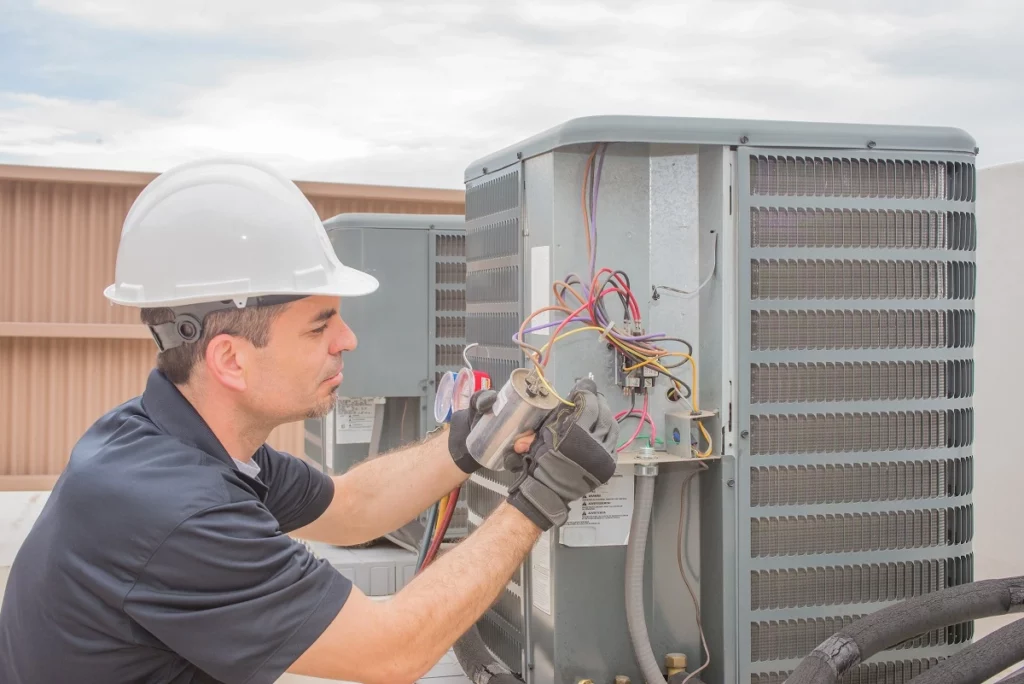
Heat pump nameplates provide key information that helps you take care of your system. Knowing how to read and use this information makes many tasks easier and helps prevent problems.
Reading the nameplate provides exact details, including the model number, power requirements, and refrigerant type. You must use these when cleaning or servicing your heat pump.
If you need to replace a filter or check the settings, the nameplate tells you what sizes or types match your system. It can also list safety warnings and maximum pressure levels, helping you avoid potential damage.
Some nameplates show the serial number. This can be helpful when registering your product for warranty or determining the production date. Keeping track of this information protects your system and keeps it running as it should.
When your heat pump has a problem, the nameplate is often the first place to check. It shows the correct voltage and electrical load, which helps you find any mismatched power or wiring issues.
If you call a technician for help, having the model and serial number from the nameplate will make the repair process quicker. Technicians use these numbers to check recalls, order parts, or find repair guides.
The nameplate can also tell you if the refrigerant type matches what is inside your system. Using the wrong refrigerant can damage the unit. In short, reading the nameplate details before repairs prevents errors and saves time.
However, the quality of the nameplate’s material also matters. Harsh environments can wear them down, making critical info unreadable over time. That’s why many OEMs and MRO professionals choose Metalphoto® anodized aluminum nameplates from Metalphoto of Cincinnati. They’re designed to remain readable for 20+ years, even in extreme conditions like UV, chemicals, and abrasion.
A heat pump nameplate may seem like a minor consideration, but this crucial label has an impact on everything from maintenance costs to adequate system sizing. While it’s important for your on-the-ground team to understand the data on these nameplates, the quality of the nameplate itself also matters.
Metalphoto of Cincinnati’s durable, metal nameplates for equipment survive decades of UV exposure, abrasion, chemicals, and extreme temperatures, helping you maximize your investment in a quality heat pump system. Ensure your team has the information they need when they need it. Request your free MPC label and tag evaluation kit today to see our quality firsthand.
Most heat pump nameplates are located on the exterior panel of the outdoor condensing unit or inside the service panel. For split systems, the indoor air handler may also have a nameplate near the control box or coil compartment.
If the nameplate is faded, scratched, or missing, it can delay repairs or violate inspection requirements. In these cases, contact the manufacturer or consider replacing it with a durable option like a Metalphoto® anodized aluminum nameplate.
Using the wrong refrigerant can damage the system and void the warranty. The nameplate specifies the exact refrigerant type and charge required, which are essential for safe servicing.
Our sales engineers are experts in automatic asset tracking, tagging and identification,a nd can answer all your questions. Get in touch now.
Lets Talk ›